
How To Travel To Festivals Solo (And Actually Enjoy It)
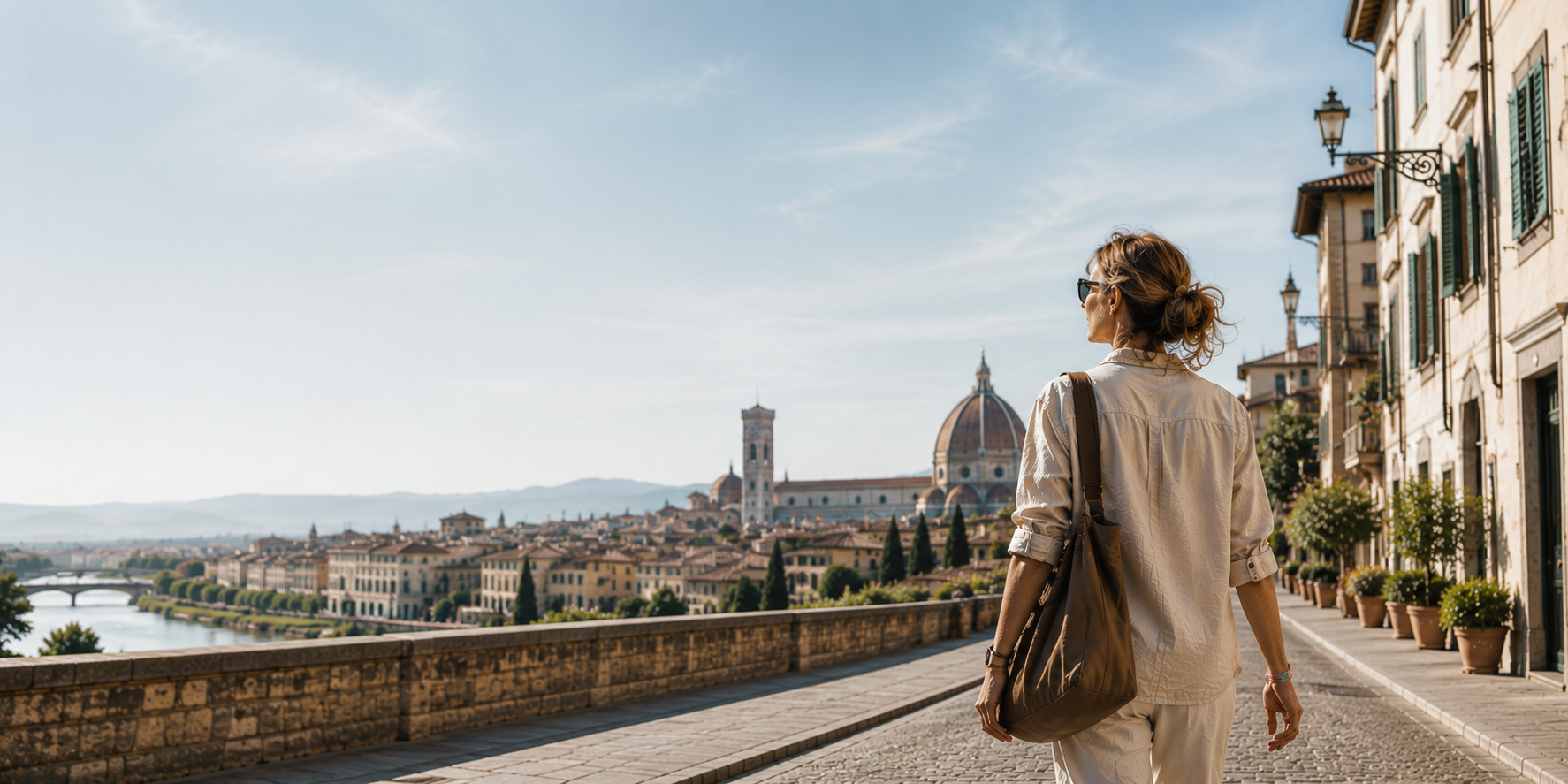
You bought the ticket months ago. At the time, you assumed someone would come with you. Now it is six weeks out and the plans have quietly dissolved — a work conflict here, a family commitment there — and you are looking at a ticket for a festival you genuinely want to attend, wondering whether going alone is a reasonable thing to do.
It is. More than reasonable, in fact. But the gap between knowing that intellectually and feeling confident enough to actually book the hotel and go is where most people get stuck. This guide closes that gap.
The Real Problem With Solo Festival Travel (It Is Not What You Think)
Most people assume the obstacle is loneliness. It is not. The real obstacles are practical and psychological, and both are solvable.
Practically: festivals are designed around group infrastructure. The booking systems, the accommodation options, the social rhythm of the site — all of it assumes you arrived with people. Navigating that alone requires a slightly different set of decisions, not a different kind of person.
Psychologically: there is a residual embarrassment many adults feel about doing things alone in public, particularly things associated with youth and group identity. Festivals carry that association strongly. The work is in recognising that this embarrassment is entirely internal — no one at the festival is tracking whether you arrived alone.
Once those two things are understood clearly, solo festival travel becomes a planning problem. And planning problems have solutions.
Step 1: Choose the Right Festival
The single most important decision you make as a solo traveller is which event to attend. Not all festivals are equally hospitable to solo attendance.
What to look for:
Strong daytime programming creates a natural social architecture. When there is something worth watching every hour, you spend less time navigating the absence of a group and more time simply being at the festival. Events with multiple smaller stages — where crowds are intimate and conversation happens naturally between sets — work better than single-stage events where everyone faces forward in silence.
A culturally engaged audience matters. Festivals that attract people who are genuinely there for the music — rather than for the social occasion of being seen at a festival — produce the kind of crowd where talking to a stranger feels normal rather than forced.
City-based festivals offer an additional layer of comfort. When the festival ends, you return to a city rather than a campsite. You have restaurants, bars, and the ordinary texture of urban life available to you. That continuity helps.
Festivals well-suited to solo travellers over 35: Montreux Jazz Festival, End of the Road (Dorset), Le Guess Who? (Utrecht), Primavera Sound (Barcelona), Bluedot (Cheshire), Dimensions (Croatia).
What to be more cautious of: large camping-only events where the social infrastructure is almost entirely group-based, and where the physical layout of the site makes moving alone between areas feel exposing rather than liberating.
Step 2: Book Accommodation on Your Own Terms
This is where solo festival travel becomes, quietly, superior to the group version. You book exactly what you want. A hotel room with a good bed and a decent shower, positioned close enough to the site to walk back when you need to, far enough to sleep properly.
The principle: fifteen to twenty minutes from the site is the sweet spot. You get genuine rest. You return each day with actual energy rather than accumulated exhaustion. The festival lasts longer, in the best sense.
For boutique hotel options in festival destinations, we use Mr & Mrs Smith(affiliate link) and Booking.com(affiliate link). Both allow accurate solo-room searches. Mr & Mrs Smith in particular curates properties where arriving alone is unremarkable — small hotels with character, good bars, and staff who are used to independent travellers.
On single supplements: many hotels still charge them. It is worth calling directly after finding a property online to ask whether the supplement can be waived or reduced, particularly for a longer stay or a mid-week arrival. It works more often than most people expect.
Step 3: Sort the Logistics Once, Simply
Solo travel logistics are uncomplicated once you have accepted one shift in thinking: you are the only variable. There is no one else's flight to align with, no group itinerary to manage.
Flights: Use Skyscanner(affiliate link) and set a price alert three to four months in advance. Travelling alone means you can take the early departure no one else wanted, or route via a city you have been meaning to visit.
Train: For European festival destinations, train travel deserves serious consideration. The Eurostar to Paris, then onward to Barcelona or Zurich. The overnight connection that puts you in a new city at dawn. The pace of arrival by train is part of the experience, and solo travellers have the flexibility to use it properly.
At the festival: Download the app and screenshot the daily lineup before you arrive. Know your one or two non-negotiables per day. Leave everything else open. The best moments in solo festival attendance almost always come from following something unplanned — a recommendation from someone at the bar, a stage you wandered toward because the sound was interesting.
Step 4: Navigate the Social Landscape
This is the part people worry about most. The reality is more comfortable than the anticipation.
Festivals draw people who are there for something they care about. That shared investment is one of the most reliable social frameworks that exists. Conversations start naturally between sets, at the bar, in the queue for coffee. You do not need to engineer them.
What helps: a light conversational posture. Ask about the act you just watched. Comment on the programming. These are not techniques — they are the ordinary exchanges of people who are in the same place for the same reason.
What does not help: sitting at the back and waiting for something to happen. Move forward. Take a spot near the sound desk, where the serious listeners gather. Follow the music physically as well as on the schedule. Festivals have their own social geography, and moving through it attentively is how you find your people.
On eating alone: book one proper dinner reservation off-site, on the evening you arrive. OpenTable(affiliate link) works well for this in most European cities. One good meal in a proper restaurant anchors the trip in a different register and removes the mild self-consciousness of the first solo evening before it has a chance to settle.
Before the festival opens: book a guided experience on your arrival day. A food tour, a neighbourhood walk, a boat trip. Something that places you alongside other people in a low-stakes context. GetYourGuide(affiliate link) and Klook(affiliate link) both have strong offerings in most major European festival cities.
Step 5: Manage Your Energy Like the Experienced Traveller You Are
After thirty-five, recovery is a logistical variable, not a personal failing. The solo traveller has a structural advantage here: you can pace yourself entirely according to your own needs.
Leave white space in the schedule. Plan a quieter afternoon mid-festival. Sleep is the infrastructure that allows you to be genuinely present for what you came for — protect it.
Bring your own earplugs for the hotel room, not only for the stage. Carry a power bank. Eat properly, and set a reminder if necessary, because solo travellers have no one to point out that they have not eaten since noon. Keep your hotel confirmation and a small amount of cash accessible separately from your main wallet — not out of paranoia, but out of the same low-friction thinking that makes independent travel smooth.
Share your itinerary — hotel name, dates, rough plan — with one person at home. Five minutes of admin that removes an entire category of concern.
Mistakes to Avoid
Over-scheduling. The instinct to fill every hour is understandable. Leave space. Some of the best solo festival experiences come from following curiosity rather than a plan.
Booking accommodation too far out to save money. The cost in logistics and energy is not worth it. Proximity matters more when you are managing everything yourself.
Choosing a festival primarily because you know others attending. The best reason to attend a festival solo is that you want to be there for the festival itself. If the social occasion is the main draw, the solo experience will disappoint.
Paying single supplements without asking. Hotels frequently reduce or waive these for direct bookings. Always ask.
Waiting for the conditions to be perfect before going. There is no version of solo festival travel that comes without a small amount of uncertainty at the edges. That uncertainty resolves on arrival. It does not resolve in advance by more planning.
FAQ
Is solo festival travel safe for women?
For the festivals referenced in this guide — curated European events with culturally engaged audiences — broadly yes. The same precautions that apply to any solo travel apply here: share your itinerary, stay aware of your surroundings, trust your instincts about situations and people. A boutique hotel rather than a campsite removes a significant layer of vulnerability.
What if I feel lonely?
Move. Go to a smaller stage. Sit at the bar rather than at the back. Ask someone what they thought of the last act. Loneliness at a festival is almost always a spatial and positional problem — it responds to action, not patience.
Is it worth going alone if I do not know anyone there?
Yes, if the festival itself — the music, the place, the atmosphere — is the reason you are going. If the social occasion is the primary draw, solo travel will not substitute for it. If the experience is the draw, it works very well.
How do I handle the practical aspects of going to stages alone?
Straightforwardly. You move when you want to move. You leave when you want to leave. You stay for the encore without negotiating. The practical experience of attending a festival alone is, for most people, significantly less complicated than they expected.
Which European festivals are best for a first solo trip?
Le Guess Who? in Utrecht is an excellent first solo festival — small, internationally oriented, strong programming, a beautiful city to stay in. Montreux Jazz Festival is similarly well-suited. End of the Road in Dorset rewards solo attendance with its literary, unhurried quality.
Conclusion
Solo festival travel is not a compromise. For those who have tried it, it tends to become the preferred mode — not because the people in their lives are not worth travelling with, but because the unmediated experience of a festival, at your own pace and on your own terms, is something genuinely different.
The obstacles are smaller than they appear. The hotel, the logistics, the social dynamics — all of it resolves with straightforward preparation and a willingness to move toward the experience rather than wait for the conditions to feel right.
Book the ticket. Book the hotel. Go.
More from &Festivora: How To Meet People At Festivals After 35
By &Festivora Editors
